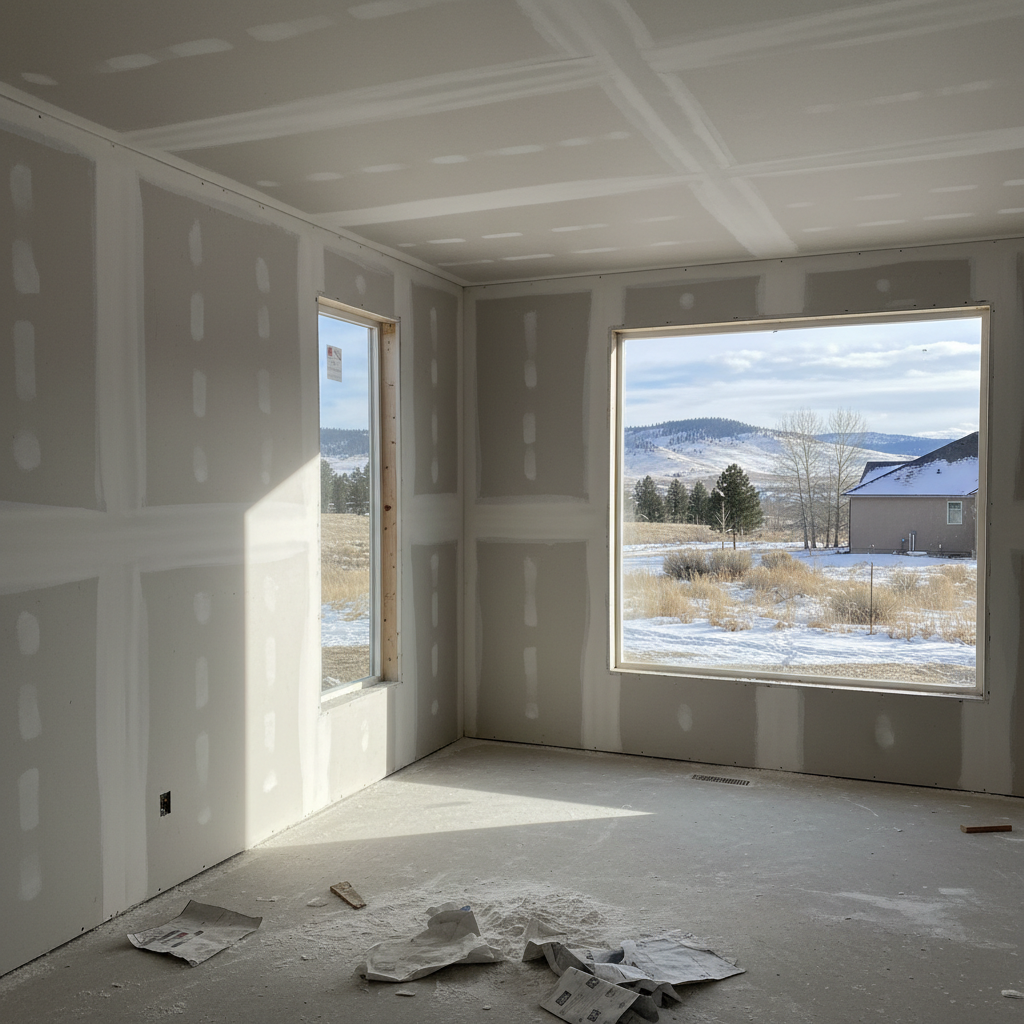
When's the best time to hang drywall in Boise? It's not as simple as just picking a free weekend, believe me. Our climate, with its hot, dry summers and cold, sometimes damp winters, actually plays a much bigger role than most folks realize. As someone who's been doing this for years with Boise Drywall Company, I've seen firsthand what happens when you don't think about the weather.
Why Timing Matters for Drywall
Drywall, mud, and paint are all pretty sensitive to temperature and humidity. They expand and contract, soak up moisture, and then let it go. If you're hanging drywall when it's too cold, too hot, too dry, or too humid, you're basically setting yourself up for problems later on. We're talking about cracks, seams showing, screw pops, and even mold if things get really out of whack. Nobody wants that, especially after putting time and money into a project.
The Best Seasons for Drywall Work
Honestly, the sweet spot for drywall installation in Boise is usually spring and fall. These seasons tend to have more moderate temperatures and fewer extreme humidity swings. You won't be fighting the intense dry heat of August or the deep freeze of January.
Spring (April - June): This is often perfect. The ground has thawed, but it's not scorching hot yet. Humidity levels are usually pretty stable, and you can get good ventilation without losing all your heat or AC. It lets the joint compound dry at a nice, consistent rate, which is super important for strong, smooth finishes.
Fall (September - November): Another great window. The summer heat has broken, and the air feels crisp. Just like in spring, you get that steady drying environment. Just keep an eye on things as you get closer to winter; you really don't want to be mudding when indoor temperatures are consistently dipping below 50°F.
Dealing with Boise's Extremes: Summer & Winter
Does this mean you can't hang drywall in summer or winter? Not at all. But you do need to be more careful and control your environment. It’s all about managing those extremes.
Summer Drywall: Battling the Dry Heat
Boise summers can be brutal. We often see weeks of 90-degree-plus weather, and it gets incredibly dry. This dry heat is the enemy of drywall mud. It can cause the mud to dry too quickly, which leads to shrinkage, cracking, and poor adhesion. You might get what we call 'flash drying,' where the surface dries before the material underneath. That makes for weak spots.
If you're doing a summer project:
Control the environment: Keep the house as cool as you can. Run your AC, but don't overdo it to the point of making it bone dry inside. Aim for a comfortable indoor temperature, ideally between 65-75°F. You might even need a humidifier if the air is exceptionally dry, especially when you're mudding.
Ventilation, but not too much: You need some airflow to help the mud dry, but please don't open all the windows and doors on a 100-degree day. That just sucks all the moisture out way too fast. A slow, steady air exchange works best.
Work in stages: Don't try to mud too large an area all at once. Let each coat dry properly before applying the next. Patience, my friend, is key here.
Winter Drywall: The Cold and Damp Challenge
Our winters can bring their own set of headaches. Freezing temperatures and higher humidity, especially when snow melts, can really slow things down. Cold temperatures make mud dry much slower, and if it freezes, it's ruined. High humidity can also prolong drying times and, in extreme cases, contribute to mold growth if there isn't enough air circulation.
For winter projects:
Heat is essential: You absolutely need to keep consistent indoor temperatures above 50°F, ideally closer to 65-70°F. If your house isn't heated, you'll need temporary heaters. Just make sure they're safe and properly vented if they're the combustion kind.
Manage humidity: Sometimes, winter can bring higher indoor humidity, especially if you're running unvented heaters or have a lot of moisture from other construction activities. A dehumidifier can be your friend here, but again, don't dry the air out too much. You want a consistent, moderate humidity level.
Ventilation: Even in winter, you need some air movement. Stagnant, cold, damp air is bad news. Open a window for a few minutes every few hours, or use exhaust fans to cycle the air. Just be smart about it so you don't freeze everything.
Year-Round Protection for Your Drywall Investment
Once your drywall is up and finished, protecting it year-round really comes down to keeping a stable indoor environment. This is especially true for homes in areas like the North End, where older homes might have less insulation or draftier windows.
Consistent Temperature: Try to avoid extreme temperature swings in your home. Don't let your house get super hot in summer or freezing cold in winter if you can help it. This helps prevent the expansion and contraction that can lead to cracks.
Humidity Control: Aim for indoor humidity levels between 30-50%. In summer, your AC helps with this. In winter, you might need a humidifier if your home gets too dry from heating, or a dehumidifier if it's too damp. A small hygrometer can help you keep an eye on this.
Proper Ventilation: Make sure your bathrooms and kitchen have good exhaust fans. This pulls out moisture from showers and cooking, stopping it from settling on your drywall and potentially causing issues.
Deal with Leaks Immediately: Any water intrusion, whether from a leaky roof, a plumbing issue, or a window seal, needs to be addressed ASAP. Water is drywall's worst enemy and can lead to mold and structural damage quickly.
Look, getting your drywall project done right the first time saves you headaches and money down the road. Thinking about the weather and controlling your environment isn't just a suggestion; it's a critical part of a quality job. If you've got questions about your specific project or need some help getting it done, give us a call at Boise Drywall Company. We're always happy to share what we know.